Tilt Switch - [Learn & Grow]
Overview
Tilt switches are mechanical sensors that activate or deactivate based on the orientation of the device. They are commonly employed in applications requiring tilt detection, such as stabilizing systems, alarms, and control mechanisms. In this kit, the tilt switch plays a crucial role in the autopilot functionality by sensing the aircraft's pitch and enabling corrective actions.
Types of Tilt Switches
There are several types of tilt switches designed for different purposes:
- Mercury Switches: Contain mercury in a sealed glass tube. When tilted, the mercury flows to complete an electrical circuit.
- Ball-Type Switches: Use a conductive ball that rolls to make or break contact based on orientation.
- Other Variants: Include optical, magnetic, or electronic types for more advanced applications.
Mercury Tilt Switches
Mercury switches are effective but pose significant risks due to the toxic nature of mercury. They are not recommended for general use, especially in environments where breakage could lead to exposure. However, understanding their operation provides insight into basic tilt sensing principles.
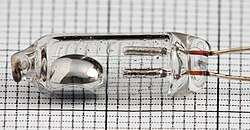
Mercury tilt switch - Note: Not recommended for use due to safety hazards.
How Tilt Switches Work
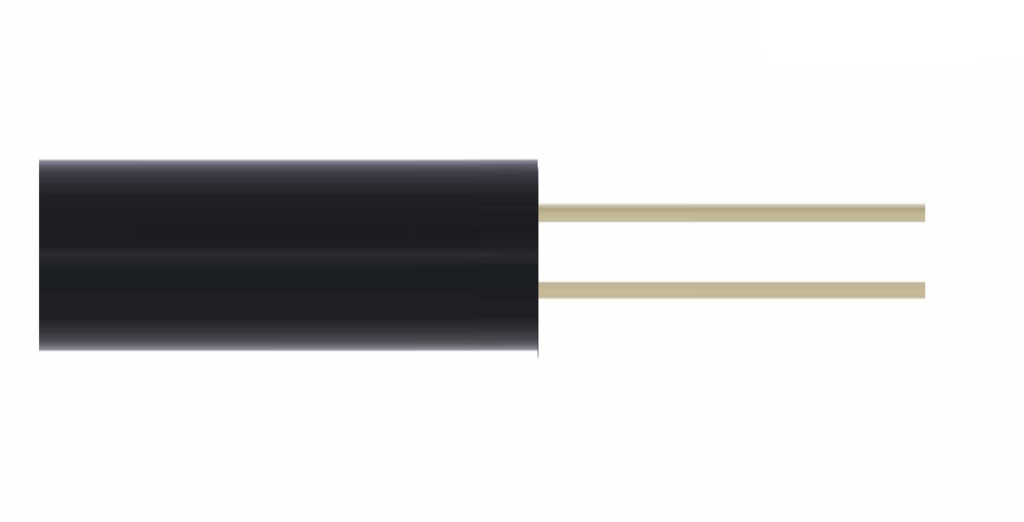
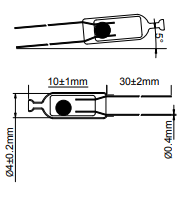
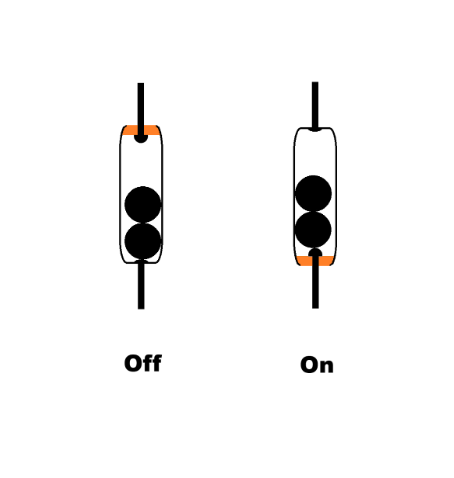
Tilt switches operate on simple mechanical principles. In a ball-type switch, a metal ball inside a curved tube rolls due to gravity. When the switch is level, the ball rests at one end, completing or breaking the circuit. Tilting the switch causes the ball to roll, changing the electrical state.
| Mercury | SW-520D | SW-200D |
|---|---|---|
|  |  |
 | 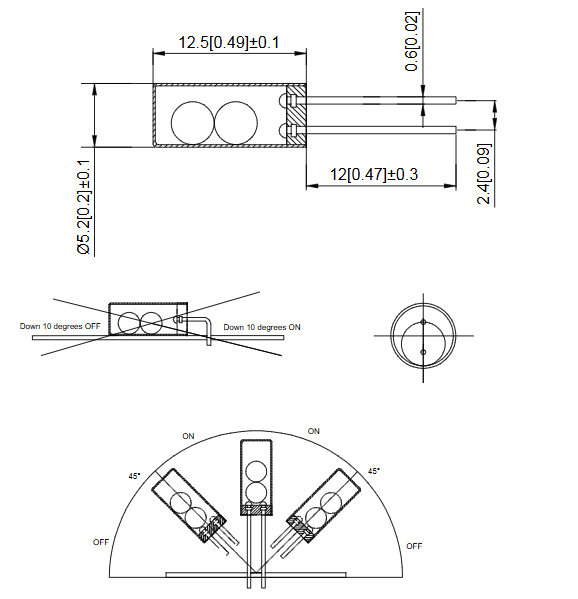 | 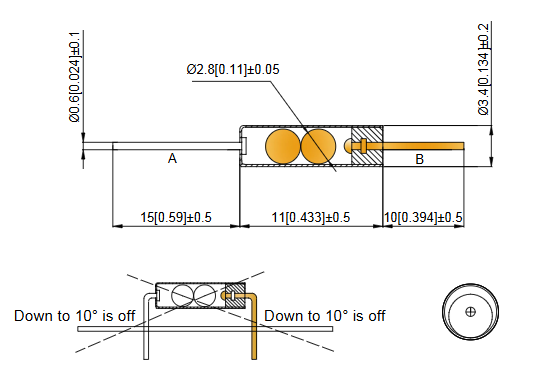 |
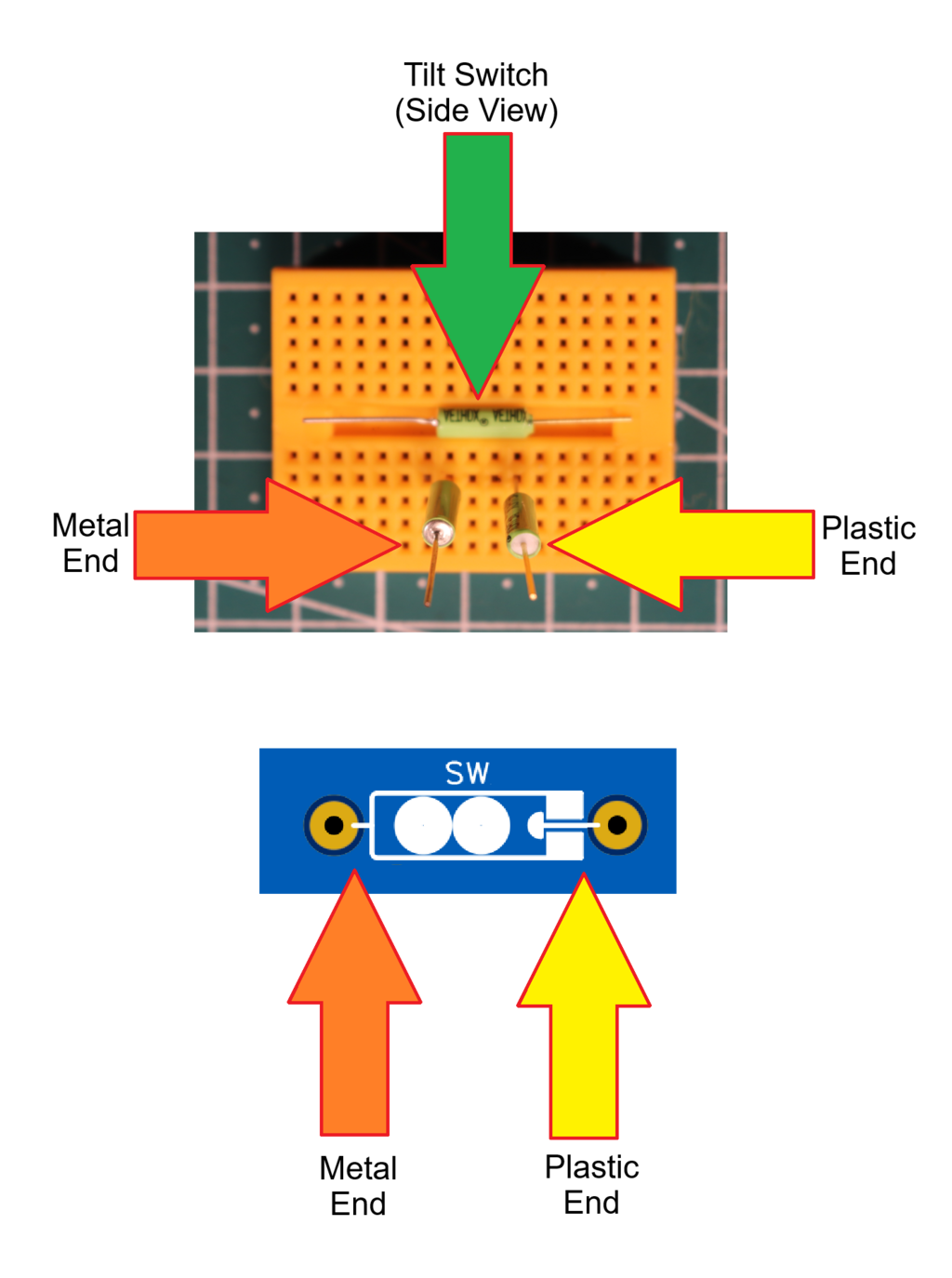
Inline tilt switch orientation
| On \ Off States | Orientation |
|---|---|
 |  |
Applications
Tilt switches find applications in numerous fields:
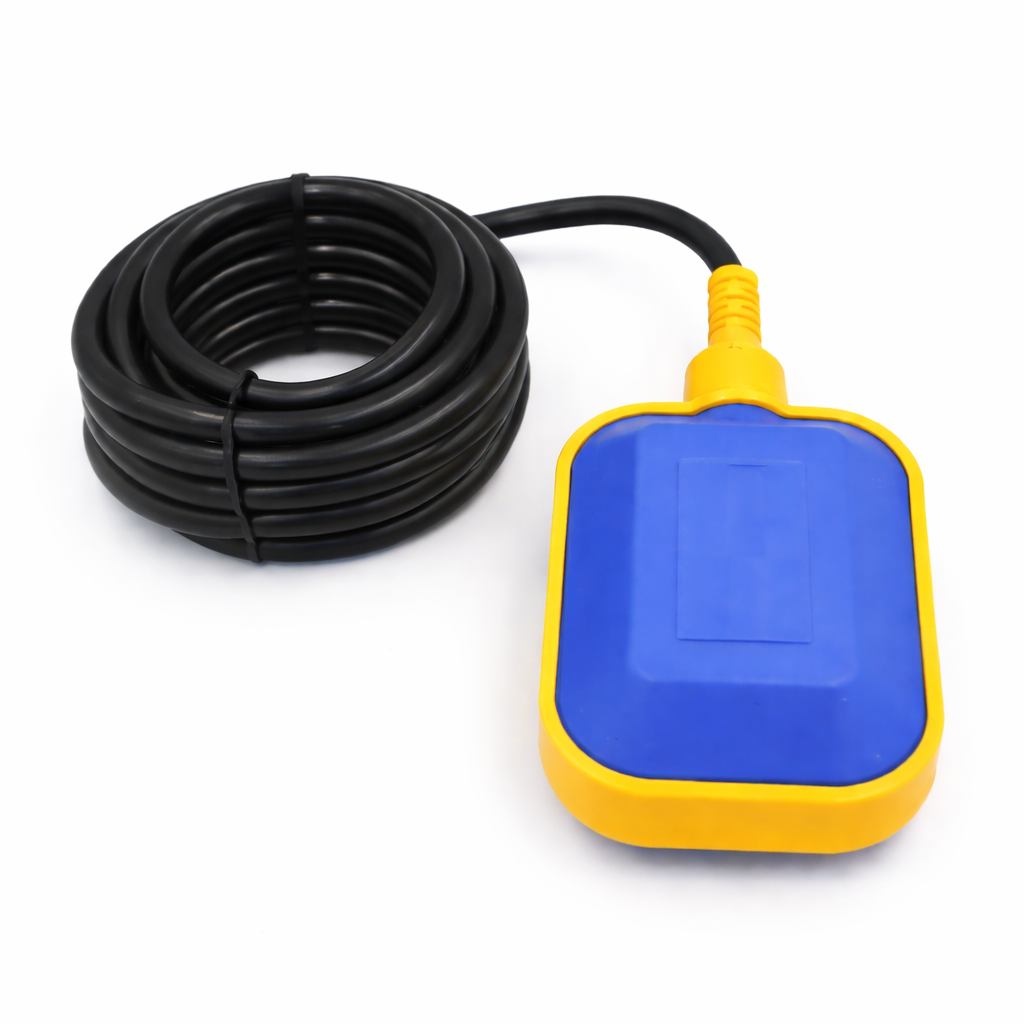
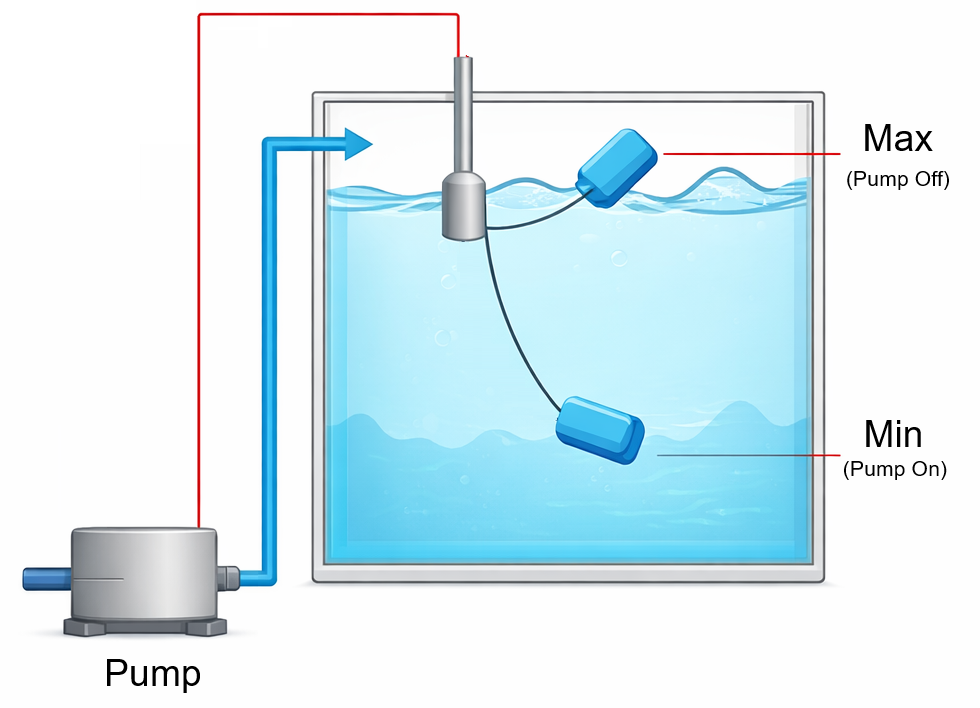
- Industrial Equipment: Used in water pump controllers and manufacturing systems to detect improper orientation.
- Robotics: Enable robots to sense and correct their posture.
- Safety Systems: In laser cutters, they halt operation if the machine tilts, preventing accidents.
- Home Security: Integrated into systems like garage door monitors or fortress sentinels for intrusion detection.
- Aerospace: As seen in this kit, for autopilot stabilization in model aircraft.
| Sensor | Example |
|---|---|
 |  |
Safety Considerations
When working with tilt switches, especially mercury types, prioritize safety:
- Avoid mercury switches due to toxicity and environmental risks.
- Ensure proper handling to prevent breakage.
- Use appropriate protective gear when necessary.
- Dispose of electronic components responsibly.