Photo-Cell - [Learn & Grow]
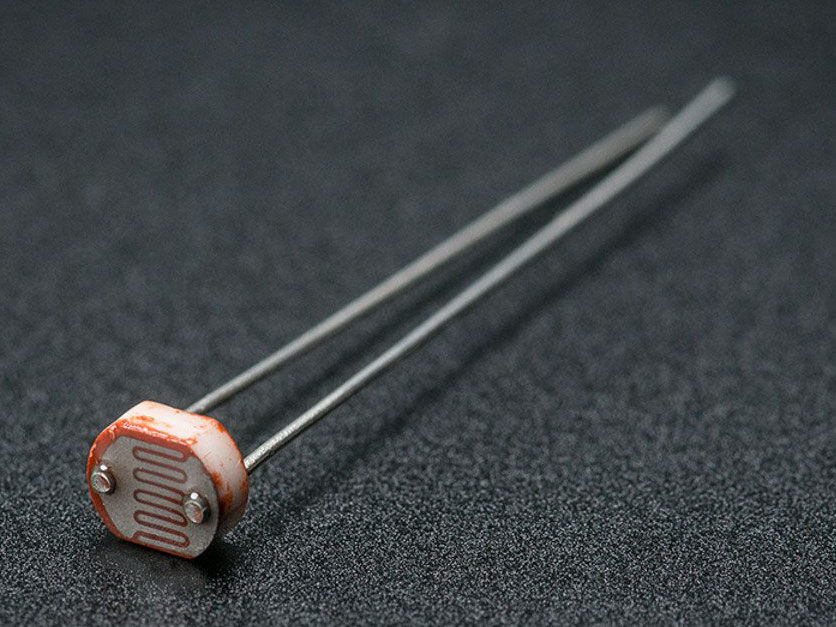
Understanding Photo-Cells
A Photo-Cell, also known as a Light Dependent Resistor (LDR) or Photoresistor, is a passive electronic component that changes its electrical resistance based on the amount of light it receives.
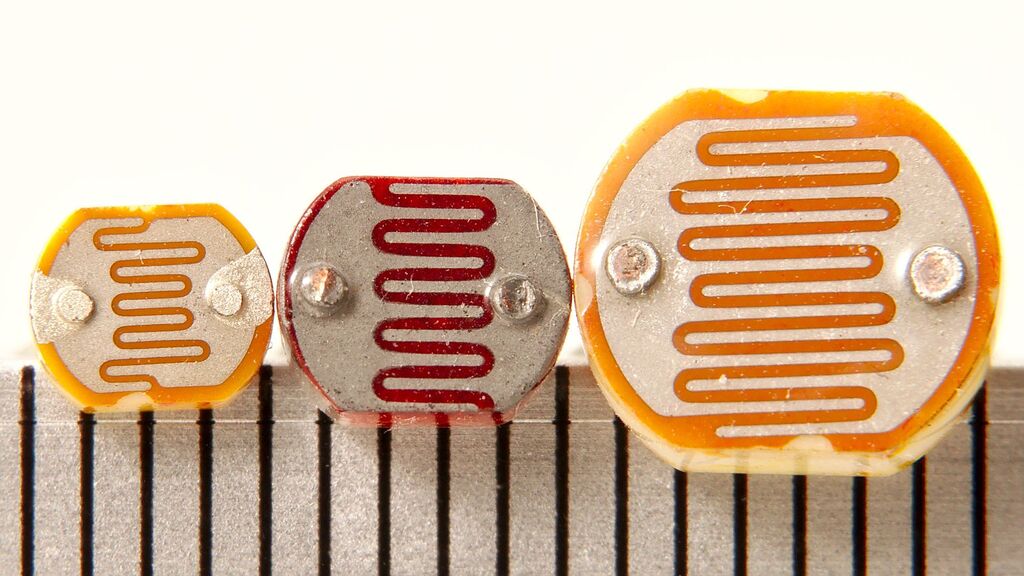
Photo-cells are made from semiconductor materials that exhibit photoconductivity - their resistance decreases when exposed to light and increases in darkness.
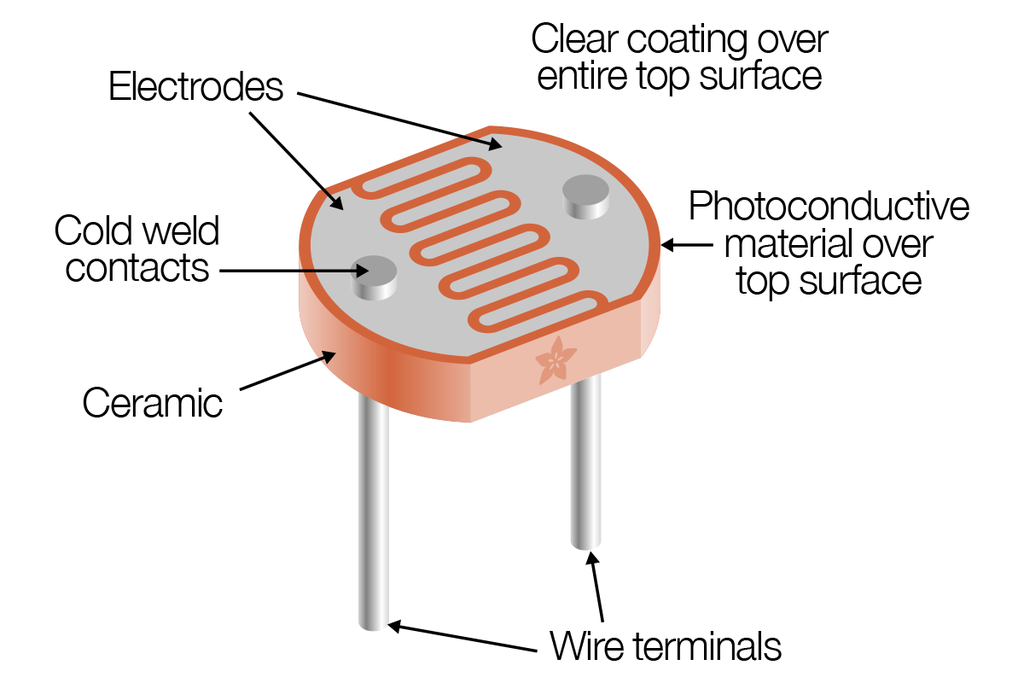
How Photo-Cells Work
The working principle is based on the photoelectric effect:
- In darkness: High resistance (typically 1-10 MΩ)
- In bright light: Low resistance (typically 50-100 Ω)
This property makes photo-cells ideal for light sensing applications.
Photo-Cell Characteristics
Resistance vs Light Intensity
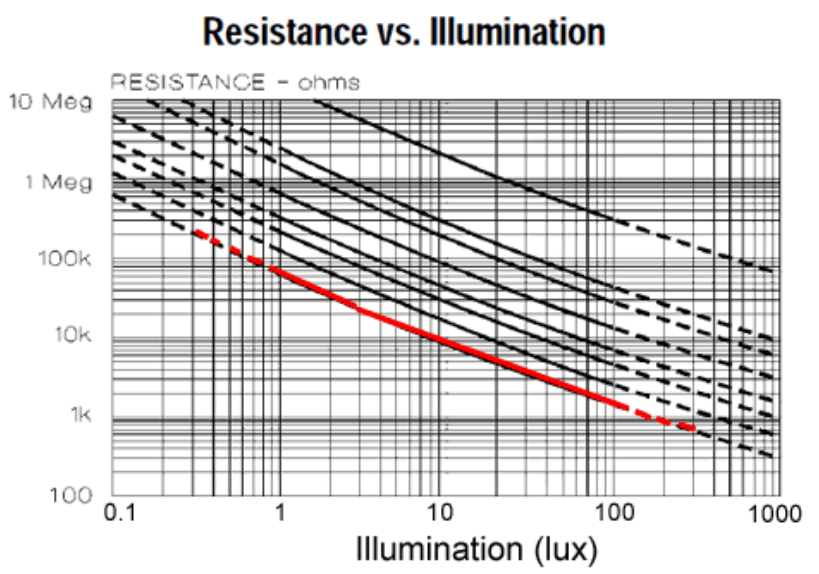
Photo-cells have a non-linear response to light intensity. The relationship between resistance and illumination follows a power law:
R ∝ (1/L)^γ
Where:
- R = Resistance
- L = Light intensity
- γ = Gamma value (typically 0.5-1.0)
Response Time
- Rise time: Time to decrease resistance when light is applied (typically 10-100ms)
- Fall time: Time to increase resistance when light is removed (typically 100ms-1s)
Applications
Photo-cells are used in numerous applications:
- Automatic lighting systems (street lights, security lights)
- Camera exposure control
- Burglar alarm systems
- Light meters
- Solar tracking systems
- Night light switches
- Brightness control circuits
Safety Notes
- Handle with care to avoid contamination
- Avoid exposure to excessive heat during soldering
- Some photo-cells contain hazardous materials (like cadmium)