LEDs - [Learn & Grow]
Understanding LEDs
LED stands for Light Emitting Diode. LEDs are among the most important and widely used electronic components today, and their significance continues to grow rapidly.
They are used in countless applications, including:
- Power and status indicators
- Traffic lights
- Display panels and digital clocks
- Television and monitor backlights
- Automotive lighting
- Flashlights and torches
- IRDA Remote controllers
LED Characteristics
LEDs come in various shapes, sizes, and colors. They are also integrated into larger display systems such as LCD backlights, dot matrix displays, 7-segment displays, and many other electronic interfaces.

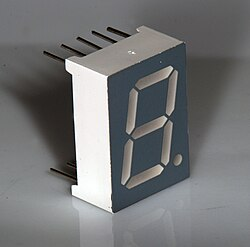
7-Segment

7-Segment Display
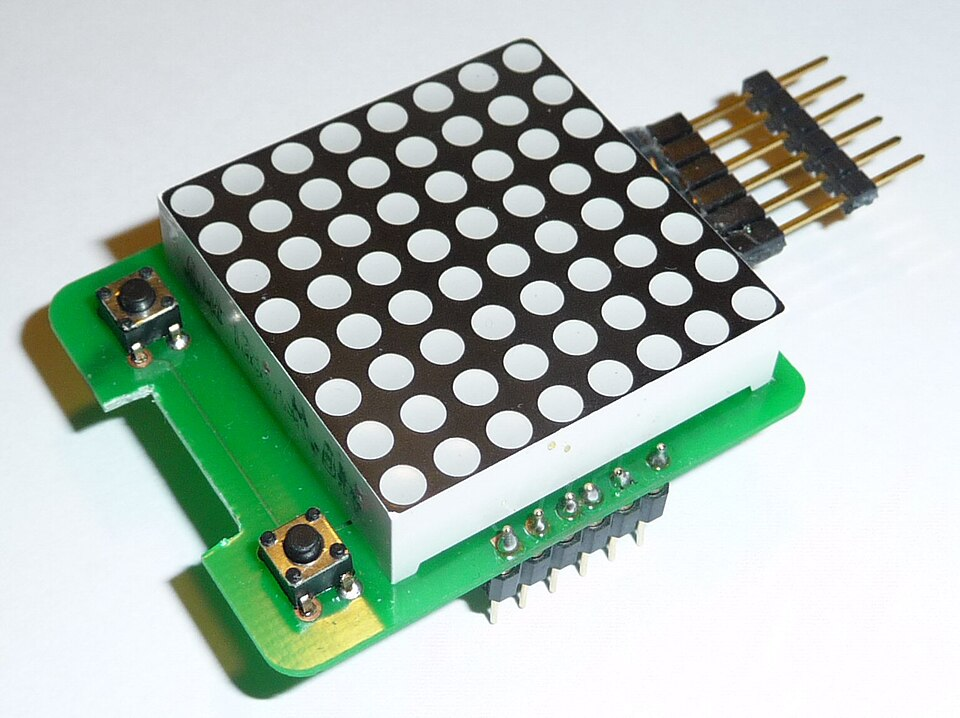
Dot matrix

LED signs - Dot matrix

Remote control

LED Lights
Operating Voltage by Color
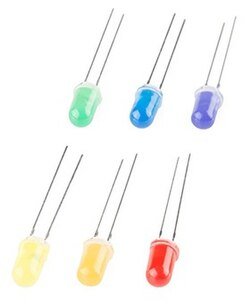
Different colored LEDs require different forward voltages to operate:
| LED Color | Typical Voltage Range |
|---|---|
| Red | 1.8 ~ 2.2 V |
| Green | 2.0 ~ 2.4 V |
| Blue | 3.0 ~ 3.3V |
| White | 3.0 ~ 3.5V |
| Infrared (IR) | 1.2 ~ 1.8V |
RGB LEDs
RGB LEDs (Red-Green-Blue) are special LEDs that contain three separate LED dies (red, green, and blue) in a single package. By controlling the intensity of each color, you can create virtually any color in the visible spectrum.
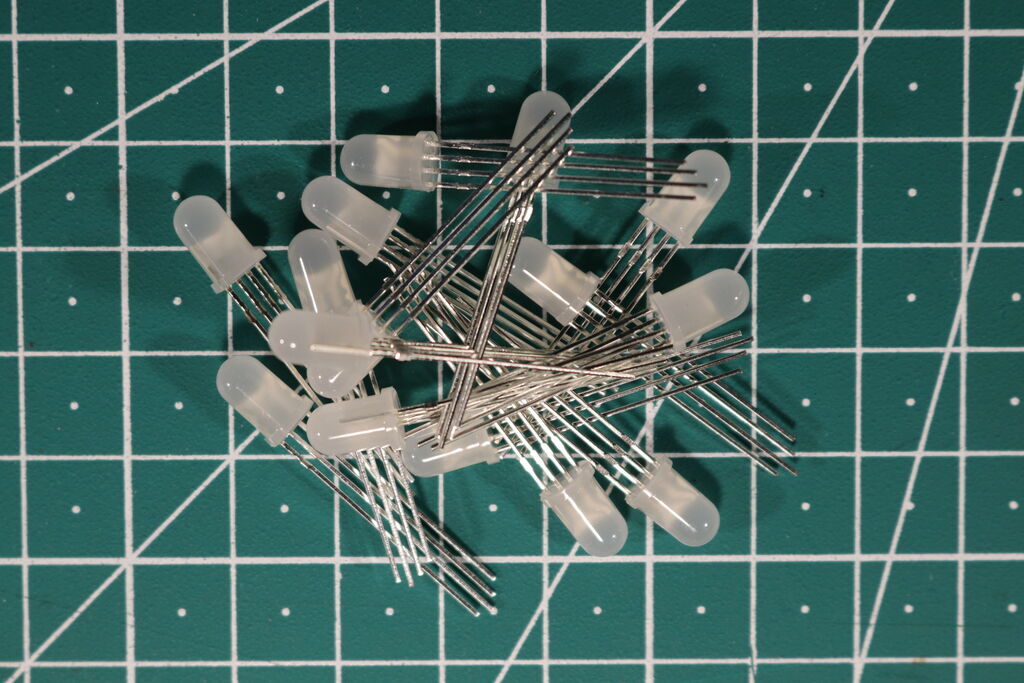
Common Anode/Cathode RGB LED
Types of RGB LEDs
There are two main configurations of RGB LEDs:
1. Common Cathode RGB LEDs
In common cathode RGB LEDs, all three color dies share a common negative lead (cathode). Each color has its own positive lead (anode) that must be connected separately. This type requires a positive voltage to each color lead.
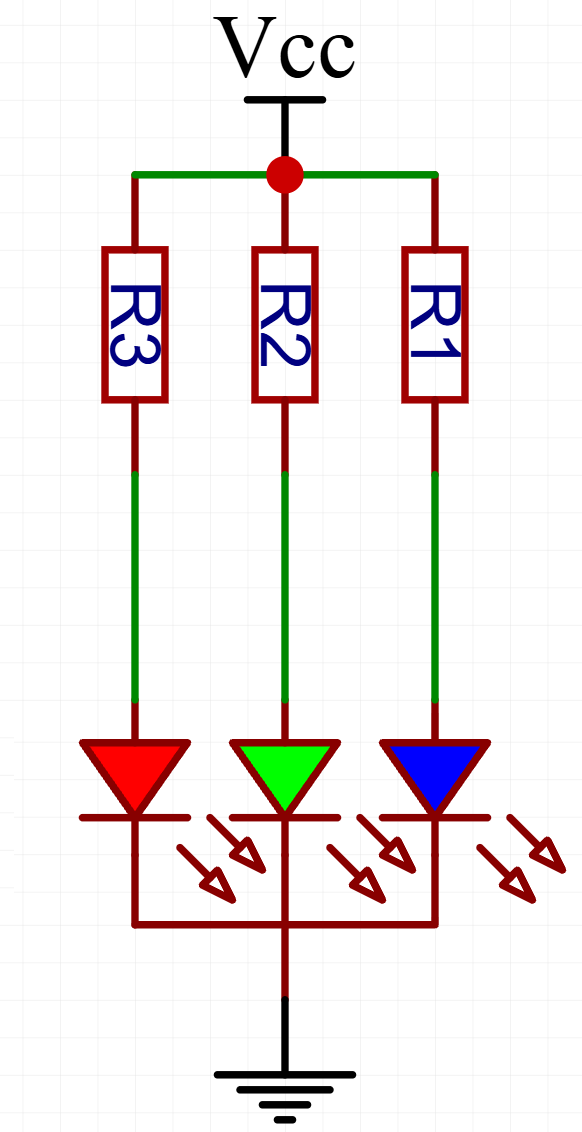
Common Cathode RGB LED
2. Common Anode RGB LEDs
In common anode RGB LEDs, all three color dies share a common positive lead (anode). Each color has its own negative lead (cathode) that must be connected separately. This type requires a negative voltage to each color lead.
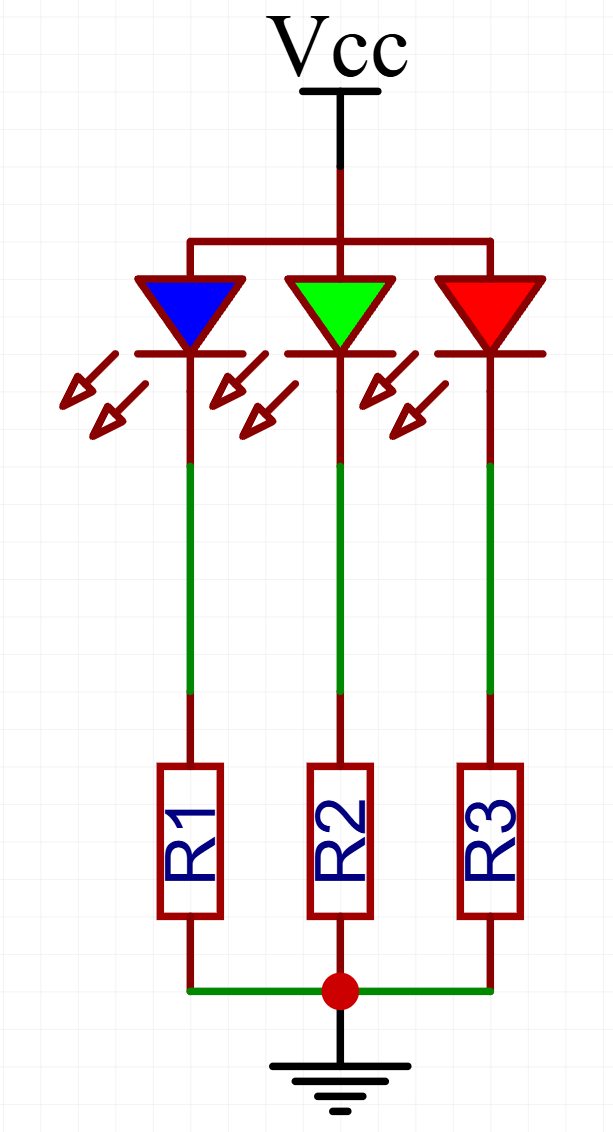
Common Anode RGB LED
Color Mixing with RGB LEDs
By adjusting the brightness of each individual color channel, you can create millions of different colors:
- Red (255, 0, 0) - Pure red
- Green (0, 255, 0) - Pure green
- Blue (0, 0, 255) - Pure blue
- Yellow (255, 255, 0) - Red + Green
- Cyan (0, 255, 255) - Green + Blue
- Magenta (255, 0, 255) - Red + Blue
- White (255, 255, 255) - Red + Green + Blue
Use Cases with Microcontrollers
RGB LEDs are commonly controlled by microcontrollers using PWM (Pulse Width Modulation) pins to vary the brightness of each color channel independently.
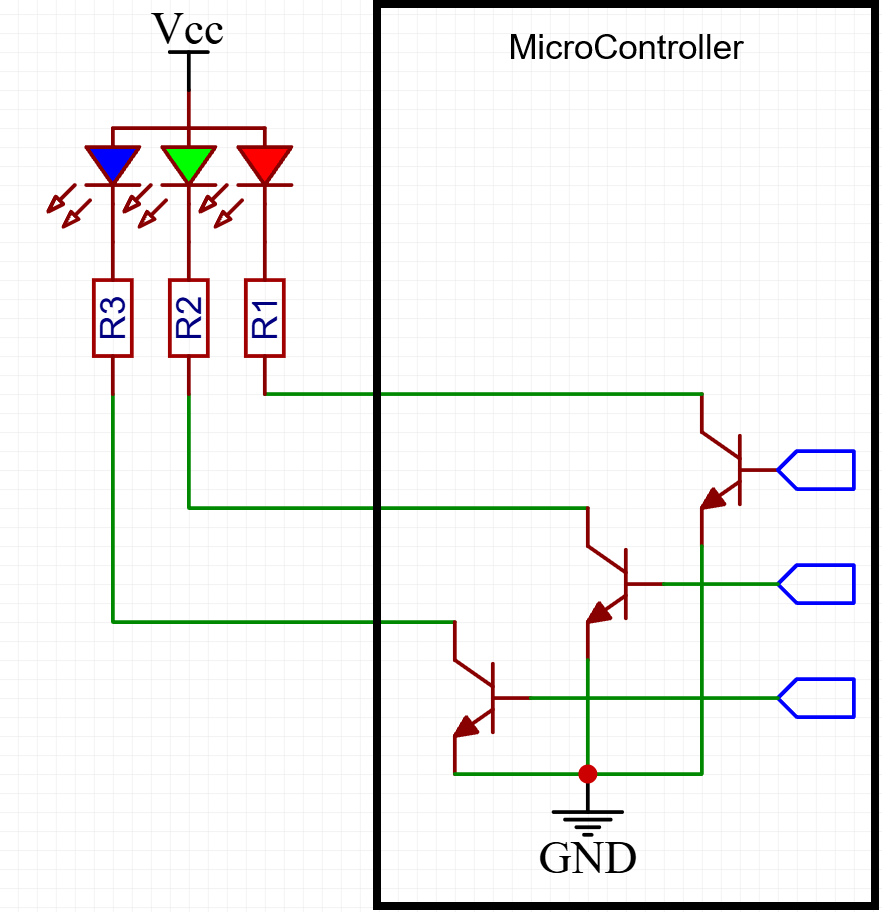
Common Anode RGB LED with Microcontroller
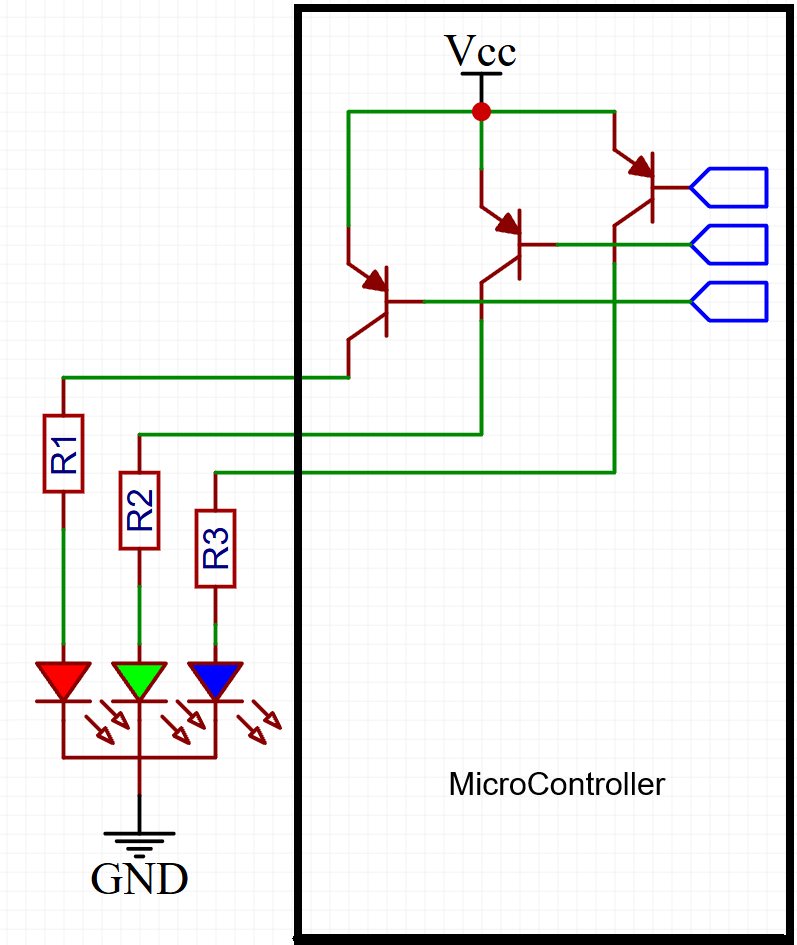
Common Cathode RGB LED with Microcontroller
Typical Applications
- Status indicators with multiple states
- Ambient lighting and decorative effects
- Display backlighting
- Game controllers and peripherals
- Smart home lighting systems
- Data visualization and feedback systems
LED Polarity
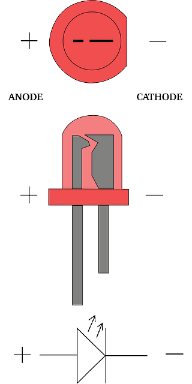
LEDs belong to the diode family --- meaning they allow current to flow in only one direction. As a result, LEDs have polarity, which means they must be connected the correct way to function properly.
Because LEDs are polarized, it is essential to connect their positive (+) and negative (--) leads correctly. There are several ways to identify LED polarity:
-
The positive leg (anode) is longer than the negative leg.
-
The negative leg (cathode) side usually has a flat edge or notch on the LED casing.
-
When you look inside the LED, the larger internal piece is the cathode (negative), and the smaller piece is the anode (positive).