IC Socket - [Learn & Grow]
Introduction to IC Sockets
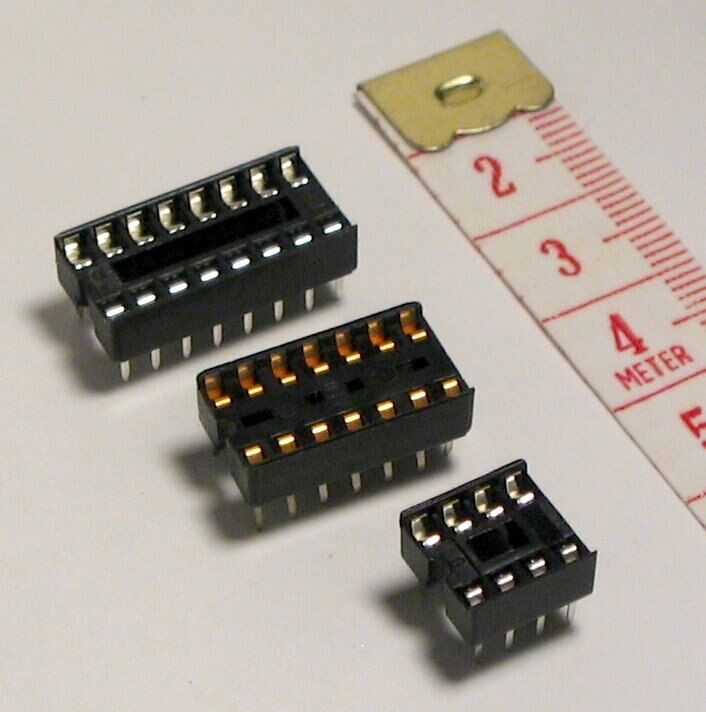
IC (Integrated Circuit) sockets are essential components in electronics prototyping and assembly. They provide a reliable way to connect integrated circuits to printed circuit boards (PCBs) without permanently soldering the ICs.
Key Features
- Protection from Heat: Prevents ICs from heat damage during soldering
- Easy Replacement: Allows IC removal and replacement without PCB damage
- Proper Alignment: Ensures correct pin alignment and reduces mechanical stress
- Maintenance Friendly: Simplifies troubleshooting and upgrades
Installation Tips
When soldering the socket:
- Ensure correct orientation using the notch or marking (aligns with pin 1)
- Apply clean, secure solder joints for reliable connections
- Allow proper cooling before inserting the IC
Types of IC Sockets
IC sockets come in various types to match different IC packages:
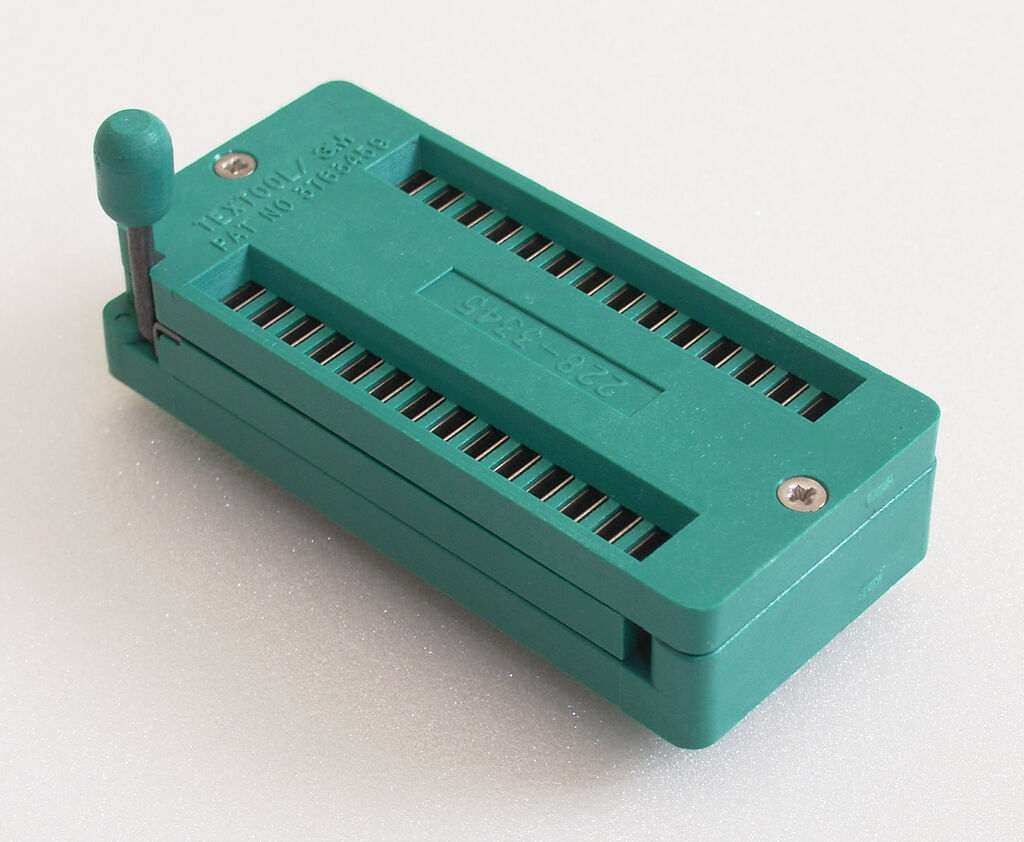
ZIF socket
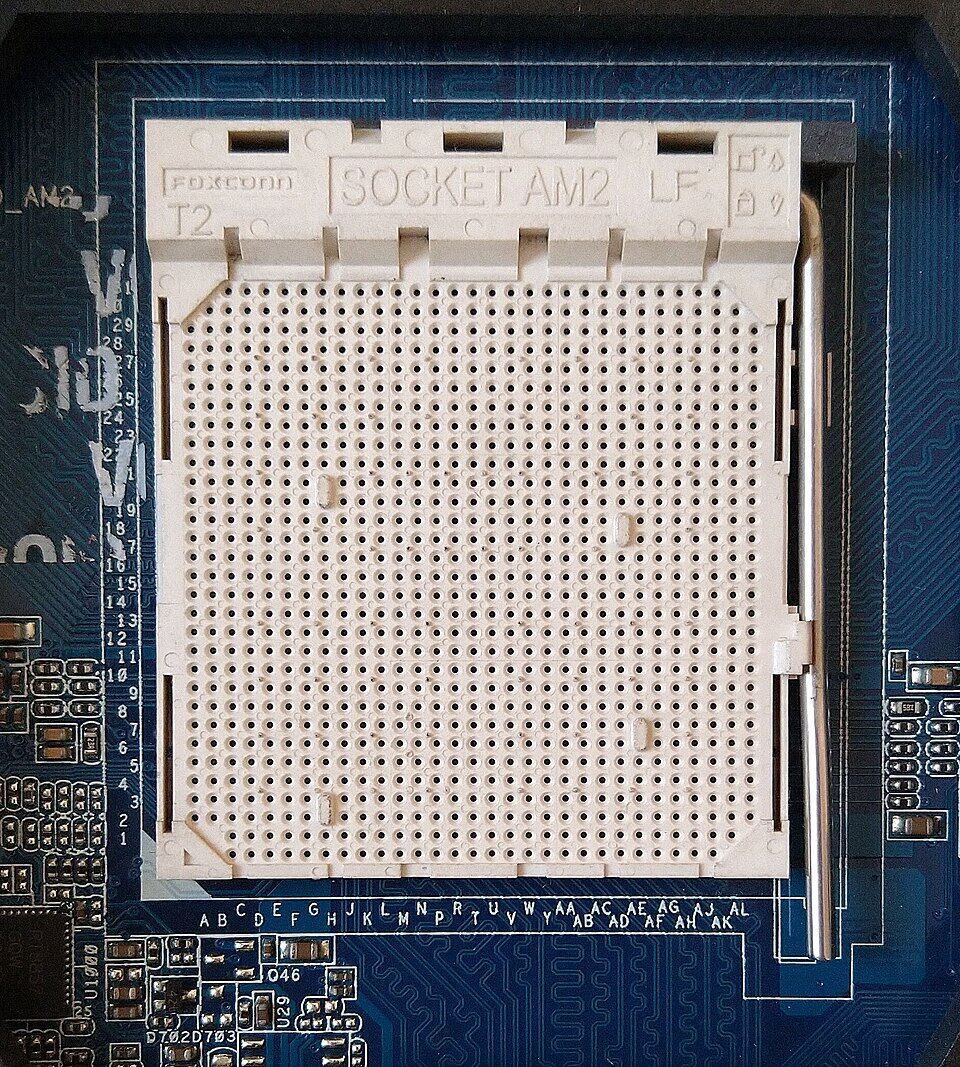
Socket AM2
- DIP (Dual In-line Package): Two parallel rows of pins, common for through-hole mounting
- SOP/SOIC (Small Outline Package): Surface-mount with gull-wing leads
- QFP (Quad Flat Package): Four-sided leads, for high-pin-count ICs
- PGA (Pin Grid Array): Pins arranged in a grid, often for processors
Benefits of Using IC Sockets
- Heat Protection: Shields ICs from soldering temperatures
- Flexibility: Enables easy IC swapping for testing or upgrades
- Durability: Reduces wear on IC pins during handling
- Cost-Effective: Allows reuse of expensive PCBs
Orientation
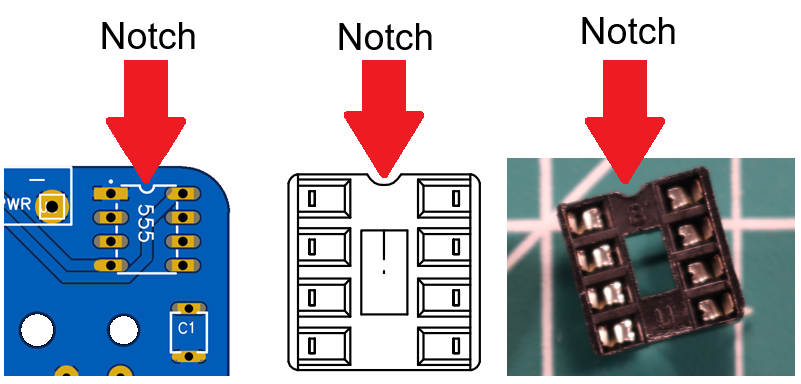
Pin numbering
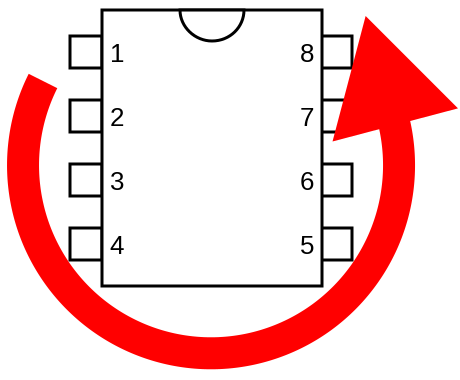
Pin numbering is counter-clockwise