Heat Shrink Tubing [Learn & Grow]
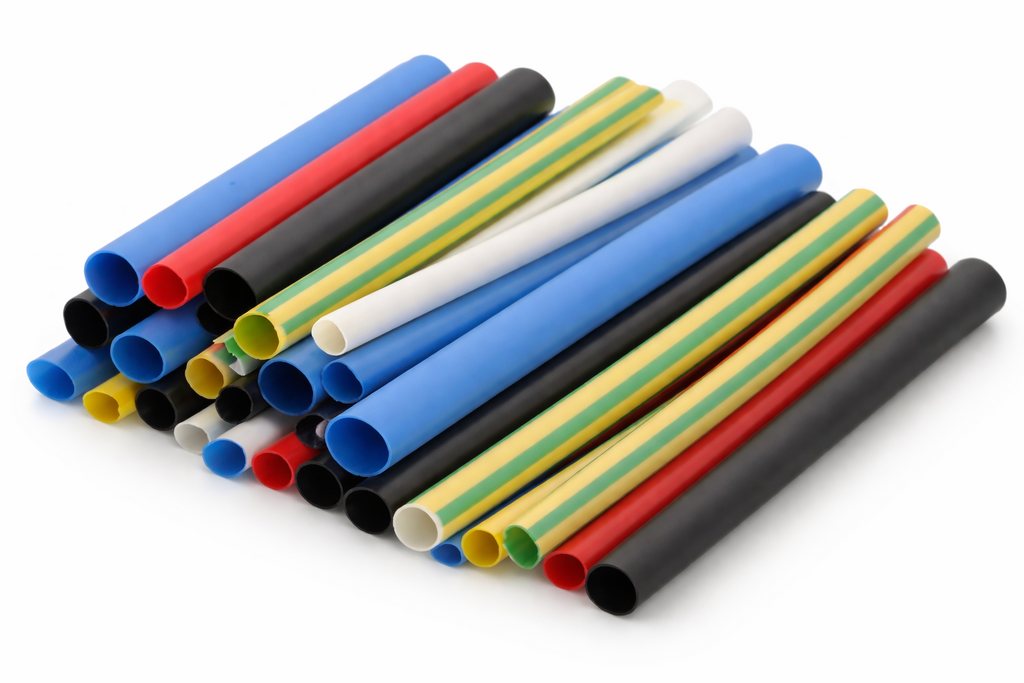
Assorted heat shrink tubing in various sizes and colors
What is Heat Shrink Tubing?
Heat shrink tubing (also called heat shrink or shrink wrap) is a specialized plastic tubing that shrinks to approximately half its original diameter when exposed to heat. It is an essential component in electronics and electrical work for:
- Insulation - Protecting bare wire connections and solder joints
- Organization - Color-coding wires for easy identification
- Protection - Safeguarding connections from moisture and contaminants
- Strain Relief - Reinforcing wire connections at stress points
- Durability - Providing mechanical protection to cables
Real-World Applications and Visual Guide
Real-World Examples Gallery
| Application | Image & Description |
|---|---|
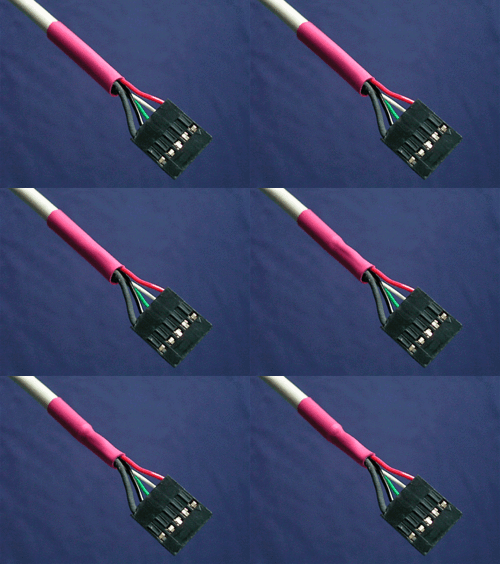
| Heat Shrink Animation - Visualization of heat shrink tubing shrinking process | |
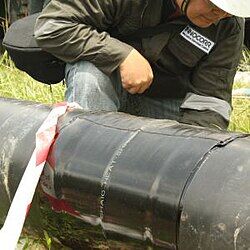
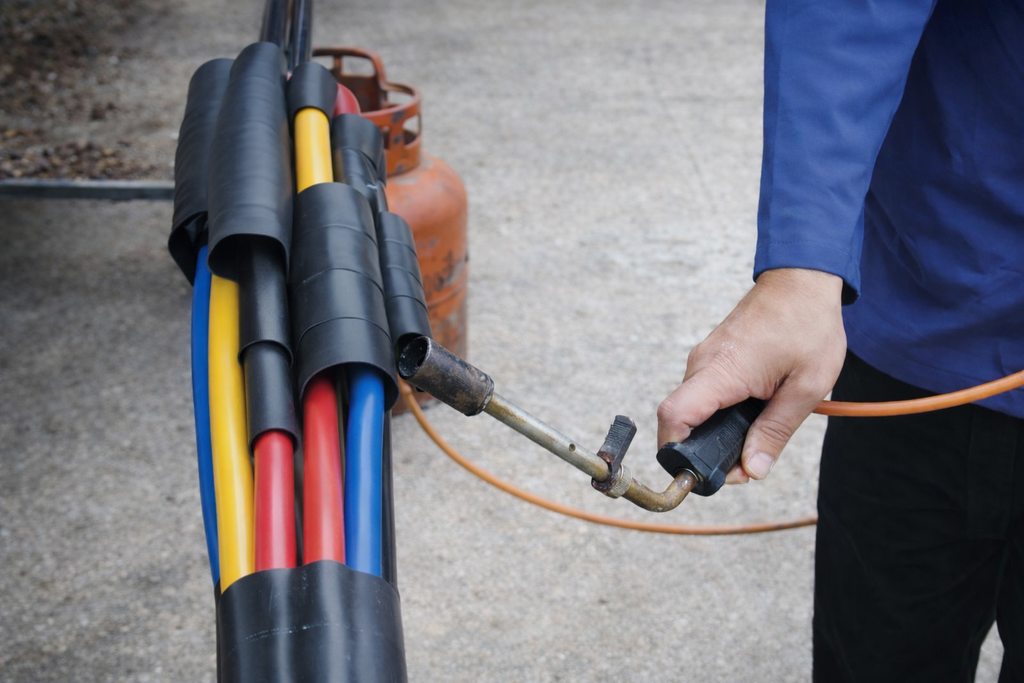
| Heat Shrink Sleeves - Professional heat shrink sleeves used for connector protection in electrical and electronics applications | |
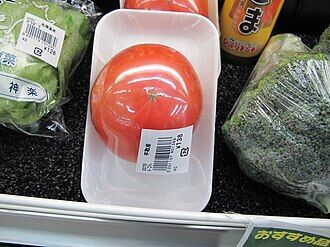
| Food Packaging (Japan) - Heat shrink tubing used for food packaging to protect products and improve presentation | |
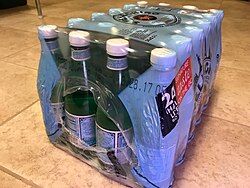
| Commercial Packaging - Shrink wrap on beverage cases for secure bundling and transport | |
| Equipment Protection - Military helicopters protected with shrink wrap during long-term storage and transport |

Heat Shrink Video Demonstration
Watch how heat shrink tubing shrinks when heated:
Direct Link
Video demonstration of heat shrink tube before and after heating
Source: Wikimedia Commons
Heat Shrink Properties and Characteristics
Size Designation
Heat shrink tubing is measured by its recovered diameter (after shrinking):
- Diameter Range: 1mm to 50mm (standard range)
- Common Sizes in Electronics:
- 2:1 ratio (most common)
- 3:1 ratio (maximum shrinkage)
- Example: 3/16" heat shrink with 2:1 ratio means it shrinks from 3/16" to 1/16"
Shrink Ratio
The shrink ratio indicates how much the tubing will shrink:
- 2:1 Ratio - Shrinks to ½ its original diameter (most common)
- 3:1 Ratio - Shrinks to ⅓ its original diameter (best for irregular shapes)
- 4:1 Ratio - Shrinks to ¼ its original diameter (rare, specialty applications)
Material Types
Heat shrink tubing is available in different materials, each suited for specific applications:
| Material | Properties | Best Used For |
|---|---|---|
| Polyolefin (PO) | Flexible, flame-retardant, non-adhesive | General-purpose insulation, color-coding |
| FEP | Low-temperature, thin-walled | Delicate components, minimal bulk |
| Silicone | Temperature resistant (up to 200°C), flexible | High-temperature applications, automotive |
| Adhesive-lined | Built-in hot-melt adhesive | Waterproof sealing, enhanced protection |
Shrinkage Temperature
Different materials shrink at different temperatures:
- Polyolefin: 80-120°C (most common, easiest to work with)
- FEP: 200-250°C (requires more heat source control)
- Silicone: 200°C+
Proper Shrinking Process
Temperature Considerations:
- Too Cool: Tubing won't shrink completely
- Just Right: Even, tight fit without damage
- Too Hot: Melting, discoloration, or damage to components
Steps to Apply Heat Shrink Tubing
- Cut the tubing to appropriate length (slightly longer than needed)
- Slide it onto the wire or connection before soldering (prevents blocking)
- Solder/connect your components if applicable
- Center the tubing over the joint or connection point
- Apply heat using:
- Heat gun (recommended - most even heating)
- Soldering iron (quick but requires care)
- Hair dryer (slow, use if heat gun unavailable)
- Lighter flame (last resort - risky, can overheat)
- Heat evenly from all sides for uniform shrinkage
- Allow to cool before handling the connection
Best Practices for Heat Shrink Application
DO:
- ✓ Slide tubing onto wires BEFORE soldering
- ✓ Choose correct diameter for tight fit
- ✓ Use a heat gun for even, controlled heating
- ✓ Position tubing to cover the entire joint
- ✓ Allow adequate cooling time
- ✓ Keep tubing away from sensitive components
DON'T:
- ✗ Apply tubing after soldering (may trap moisture)
- ✗ Use excessive heat (causes melting and damage)
- ✗ Position tubing too tightly or loosely
- ✗ Heat only one side of the tubing
- ✗ Touch while hot (burns and imperfections)
- ✗ Use open flame directly on components
Color Coding with Heat Shrink
Heat shrink tubing in various colors is commonly used to identify wire connections:
Common Color Meanings (follow electrical standards):
- Red: Positive/Power (VCC)
- Black: Negative/Ground (GND)
- Yellow: Signal
- Blue: Data or Control
- Green: Protective Earth
- White: Neutral or Alternative Signal
Common Applications
In Electronics Projects
- Soldered wire joints on PCBs
- Connection protection on breadboards
- Motor lead protection
- Battery terminal insulation
In Wiring and Repairs
- Wire bundle organization
- Broken wire insulation repair
- Connector strain relief
- Waterproofing connections
In Cable Management
- Cable identification
- Bundle management
- Wall-mounted installations
- Automotive and marine applications
Selecting the Right Heat Shrink
When choosing heat shrink tubing, consider:
- Wire Diameter - Match tubing inner diameter to wire size
- Shrink Ratio - 2:1 for regular wires, 3:1 for irregular shapes
- Material - Polyolefin for general use, specialty materials for specific needs
- Temperature Rating - Match application requirements
- Color - For identification and organization
Troubleshooting Heat Shrink Issues
| Problem | Cause | Solution |
|---|---|---|
| Won't shrink | Temperature too low | Increase heat source temperature |
| Melted/Damaged | Temperature too high | Reduce heat or increase distance |
| Uneven fit | Unequal heating | Rotate and heat from multiple angles |
| Slack appearance | Wrong size selected | Use smaller diameter tubing |
| Moisture inside | Applied after soldering | Reapply or use adhesive-lined tubing |
Safety Precautions
- Wear Safety Glasses - Protect from debris and hot shrink particles
- Use Heat Gun Safely - Keep away from flammable materials
- Ventilate Area - Shrank plastic releases fumes; ensure good airflow
- Let Cool Completely - Heat shrink remains hot after shrinking
- Keep Hands Clear - Avoid contact with hot tubing and heat source
- Use Appropriate PPE - Gloves and eye protection recommended