Understanding Electronic Capacitors
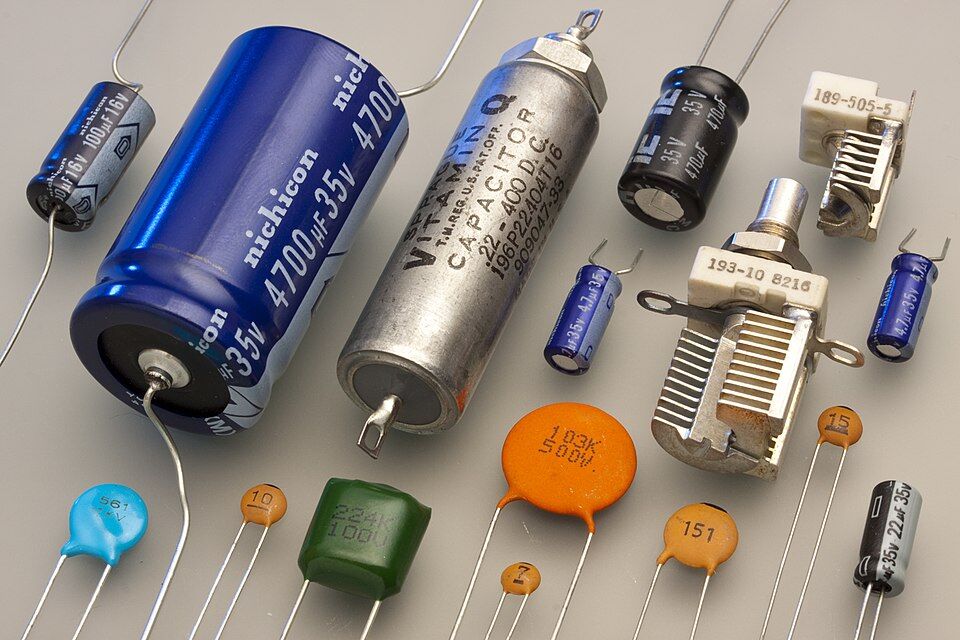
Some different capacitors for electronic equipment
What are Capacitors?
A capacitor is a fundamental electronic component that stores electrical energy in an electric field. It consists of two conductive plates separated by an insulating material called a dielectric. When voltage is applied across the plates, an electric field builds up, storing electrical charge.
Capacitors are essential in modern electronics and serve several important functions:
- Energy Storage - Storing and releasing electrical energy
- Filtering - Removing noise and smoothing voltage signals
- Timing - Creating time delays in RC circuits
- Coupling - Connecting AC signals while blocking DC
- Decoupling - Stabilizing voltage supply to components
Electronic Capacitors
Electronic capacitors are broadly classified into two main categories based on their construction and dielectric material:
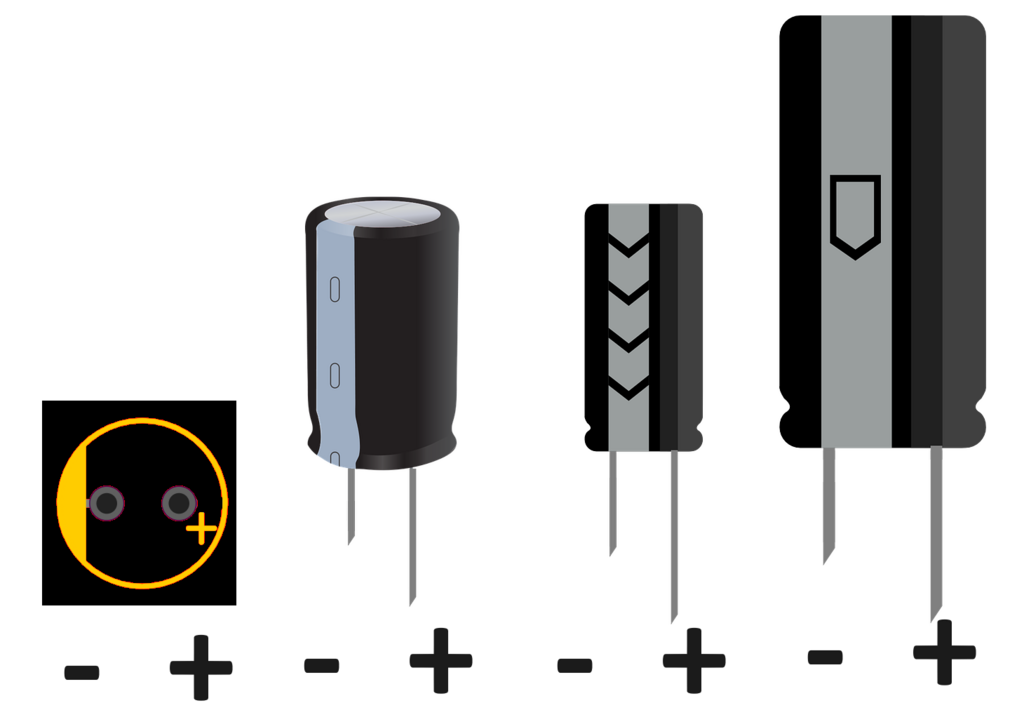
- Provide very high capacitance values
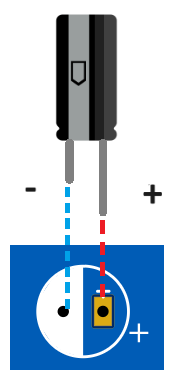
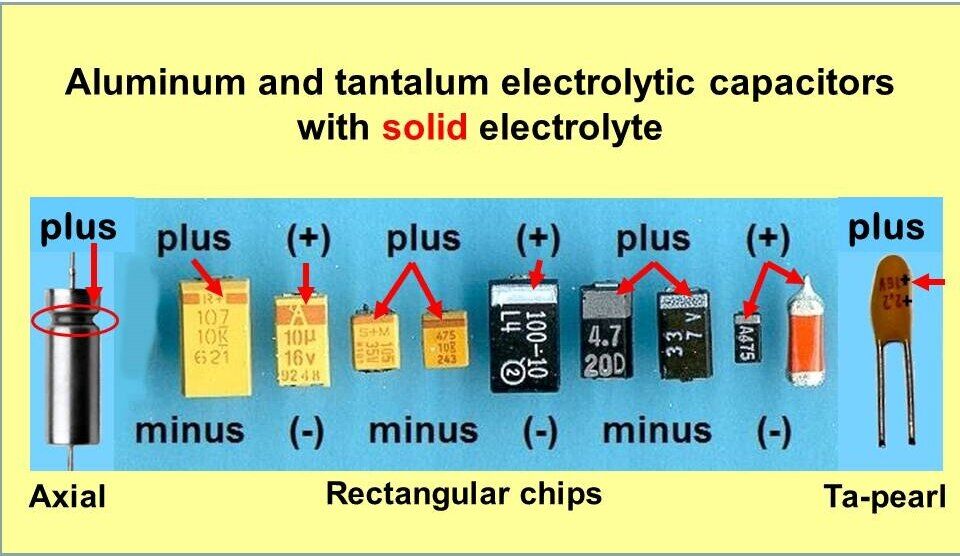
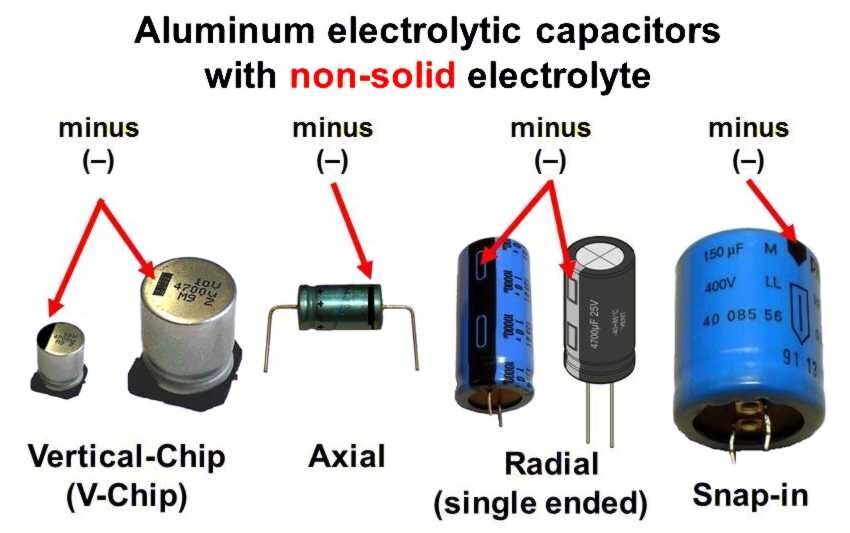
- Polarized - must be connected with correct orientation
- Used for power supply filtering and energy storage
- Available in aluminum and tantalum varieties
Capacitor Specifications
Key Parameters:
- Capacitance (C) - Measured in Farads (F), typically µF, nF, or pF
- Voltage Rating (WVDC) - Maximum voltage the capacitor can withstand
- Tolerance - Accuracy of the capacitance value (±5%, ±10%, ±20%)
- Temperature Coefficient - How capacitance changes with temperature
- Equivalent Series Resistance (ESR) - Internal resistance affecting performance
Polarity:
-
Electrolytic capacitors: Polarized, marked with + and - symbols